
24-Hour Group Activities
Discover our school group program in Cantabria
Enjoy a unique experience in Cantabria! We design school group stays filled with learning, nature, and fun. Encourage shared values, strengthen group bonds, and enjoy activities that combine adventure and education. An unforgettable experience!
Why Choose a School Group Program in Cantabria?
Taking part in a school group stay in Cantabria is a unique opportunity for students to strengthen bonds, develop social skills, and learn to live together in a safe and supervised environment. Through guided activities, group dynamics, and educational sessions, students experience a space to connect, learn, and grow together beyond the classroom.
24-Hour Program
We organize educational sessions that address current trends in educational mediation and conflict resolution, with 24-hour supervision.
Guided Group Experience
We encourage active participation through activities that promote cooperation and mutual respect, helping to build healthy relationships.
Overcoming Fears
Sessions focused on teaching mediation techniques. By learning to resolve disagreements peacefully, students develop critical skills that go beyond the classroom and support their personal growth.
What Is a School Coexistence Program?
A school coexistence program is essentially a set of guidelines and principles designed to foster a positive and collaborative educational environment. In Cantabria, this program goes beyond rules; it serves as a framework that promotes respect, tolerance, and cooperation among students, teachers, and educational staff. By integrating this program into schools, the goal is to create an atmosphere where every student can express themselves freely without fear of judgment. This is essential for cultivating a healthy school climate, where open dialogue and empathy are key foundations.
A vital aspect of the program is its focus on mediation, which allows conflicts to be resolved constructively. Rather than relying on harsh punishments, the program encourages peaceful conflict resolution, teaching students valuable skills that extend far beyond the classroom. This approach not only helps prevent bullying, but also strengthens interpersonal relationships within the educational community.
School Coexistence Program
Implementing a school coexistence program also involves engaging all members of the educational community. From collaborative activities to workshops on coexistence and mediation, everyone has a role to play. Here are some strategies that can be included:
Encouraging Teamwork
Carrying out group projects to improve social skills and promote cooperation.
Emotional Skills Training
Offering workshops that teach students how to manage their emotions and understand those of others.
Meetings with Parents
Opening dialogue with families to ensure everyone is aligned with the objectives of the program.
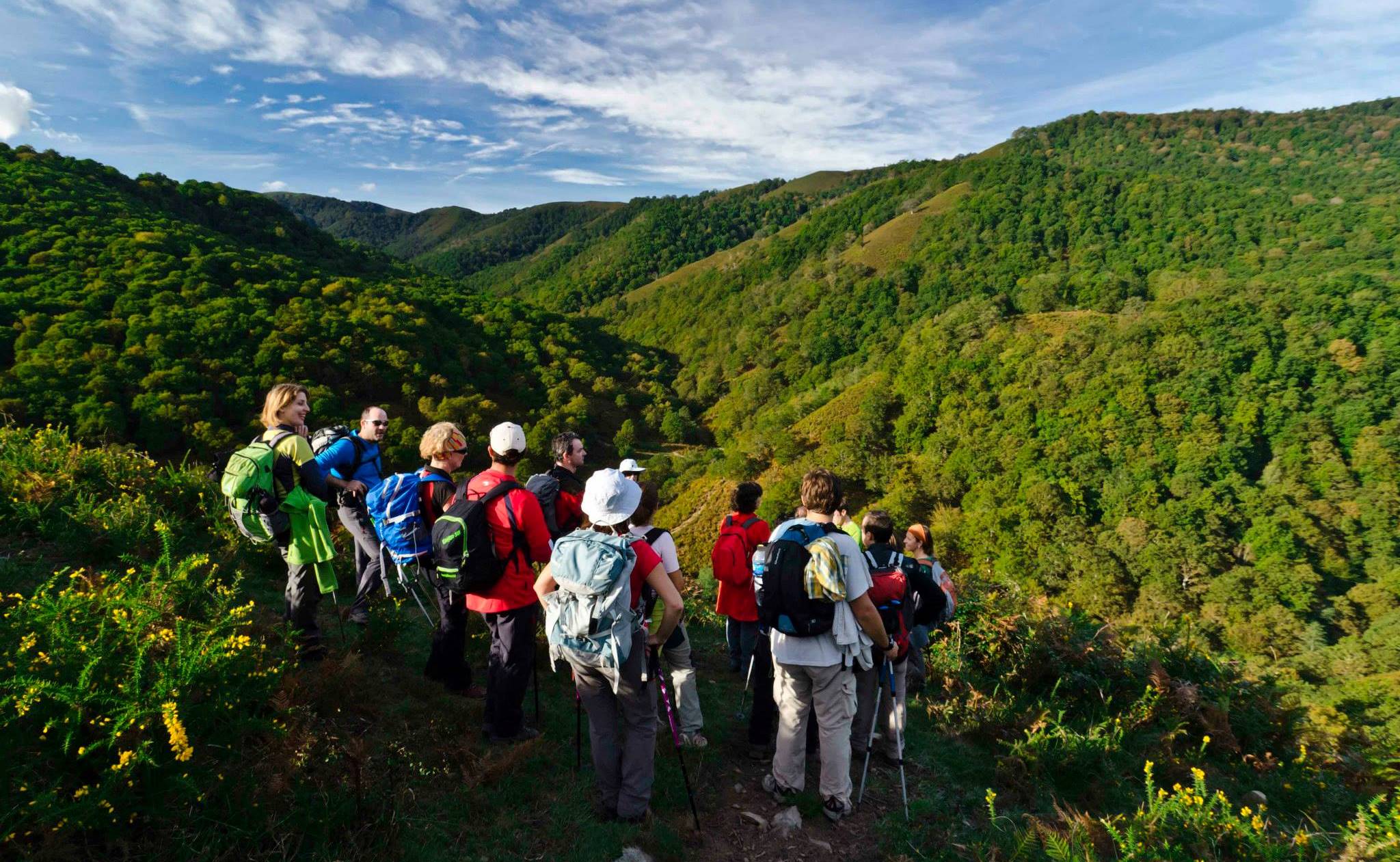
Environmental Education
Raising students’ awareness about the importance of the environment and teaching them to interact respectfully with nature.
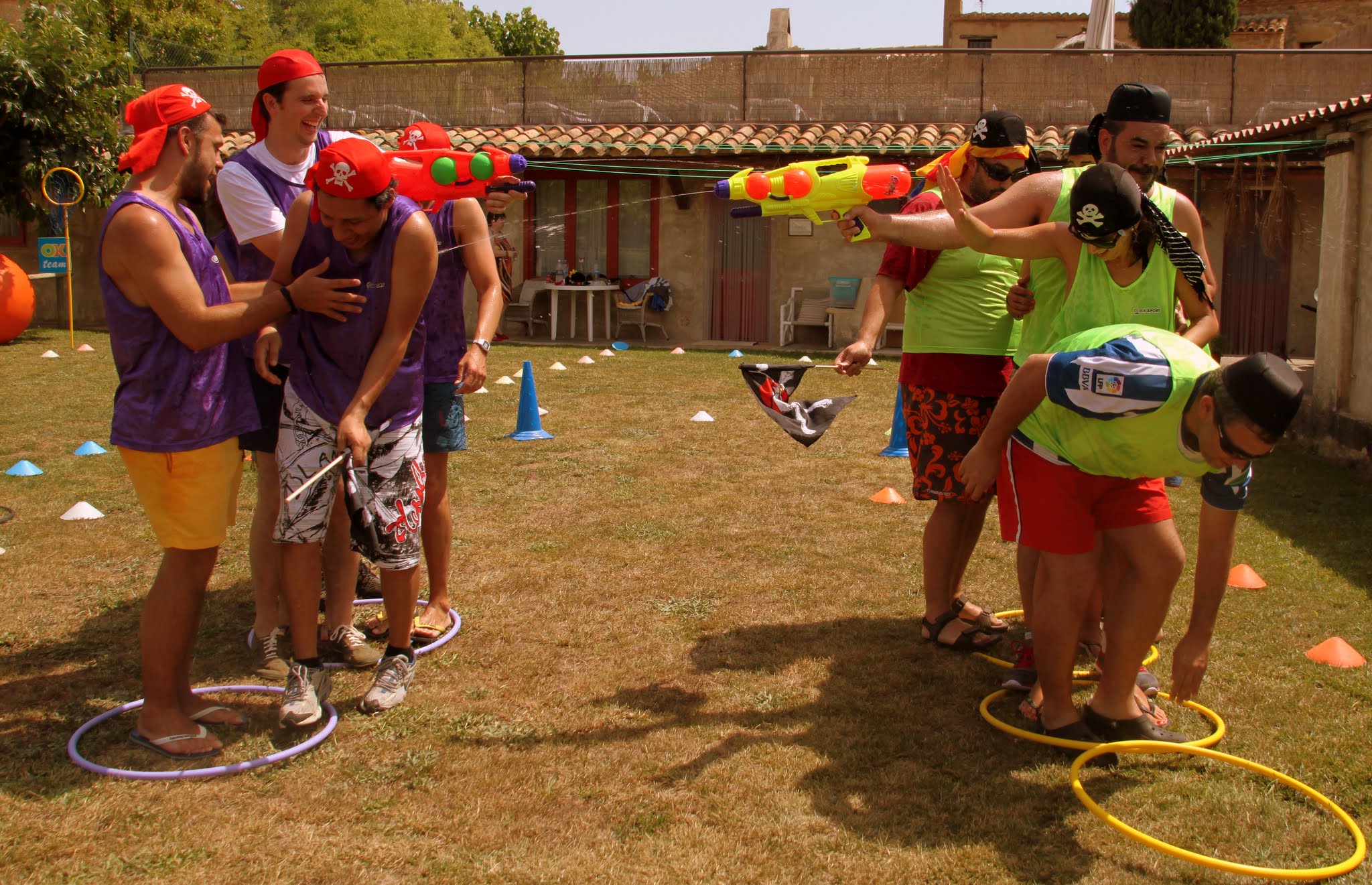
Games and Group Activities
We promote values such as respect, inclusion, and teamwork through games and collaborative activities.
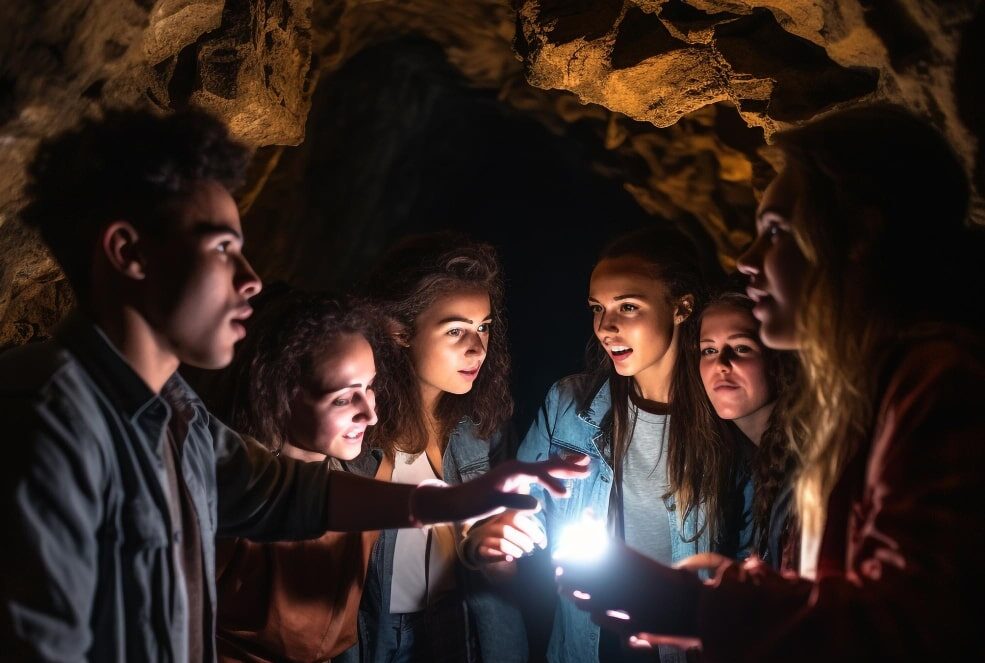
Personal Development
We encourage self-confidence and collaboration skills through physical or emotional challenges.

Local Cultures
Connecting students with the cultural heritage and traditions of the rural area.
What Can You Expect from a School Group Stay at Albergue La Casa de Gándara?
Education is a fundamental pillar in the development of young people, and in this context, the school coexistence program in Cantabria stands out as an essential tool. This program not only establishes rules and expectations within the educational environment, but also promotes a setting where all students feel valued and included. Imagine a space where participation is encouraged through dialogue and cooperation, where every voice matters, and where positive practices are implemented to create a supportive learning environment.
In addition, an effective coexistence program includes mechanisms for conflict resolution, helping students manage disagreements in a constructive way. By promoting mutual respect and understanding, the program not only supports individual well-being, but also strengthens the educational community as a whole. Essentially, this approach transforms schools into places where healthy relationships are nurtured and essential social skills are developed.
Making the most of a school coexistence framework benefits not only students, but also supports teachers through training and guidance programs, ensuring they are well prepared to lead their students toward peaceful and productive coexistence. In summary, establishing a strong school coexistence program in Cantabria is key to building a more inclusive and harmonious educational future.
Plan Effectiveness, Training, and 24-Hour Evaluation
The effectiveness of a school coexistence program in Cantabria does not rely solely on its initial design, but on the ongoing training and continuous evaluation it receives. For the program to function properly, it is essential that all members of the educational community are trained to implement and assess it effectively. This involves not only initial training, but a long-term commitment to continuous improvement.
In addition, ongoing evaluation helps identify areas for improvement. This may include:
Quantitative Analysis
Collecting data on school incidents and classroom climate helps measure the program’s impact. Establishing clear indicators—such as a reduction in bullying or improvements in academic performance—can be highly revealing.
Annual Surveys
Implementing surveys among students, parents, and teachers to understand their perception of the school environment and the success of the program.
Periodic Adjustments
Based on the results obtained, making adjustments to the program ensures its relevance and effectiveness over time.
Through continuous training and evaluation, the school coexistence program in Cantabria will not only remain relevant, but will also evolve to adapt to the changing needs of students and the educational environment. So let’s get started—investing in training is investing in a more harmonious future for everyone.